History & Preservation
The Historic Crail Ranch preserves one of Big Sky’s earliest homesteads, offering a window into the people, land, and way of life that shaped this community. Through ongoing preservation and storytelling, the ranch remains a place to explore, learn, and stay connected to Big Sky’s roots.


The Story
The Crail Ranch Homestead Museum is centered around the original log buildings of Historic Crail Ranch—some of the oldest remaining structures in the Big Sky area. These buildings preserve the story of the Crail family and their homestead, offering a glimpse into life in the Gallatin Valley before the region became the Big Sky community we know today.
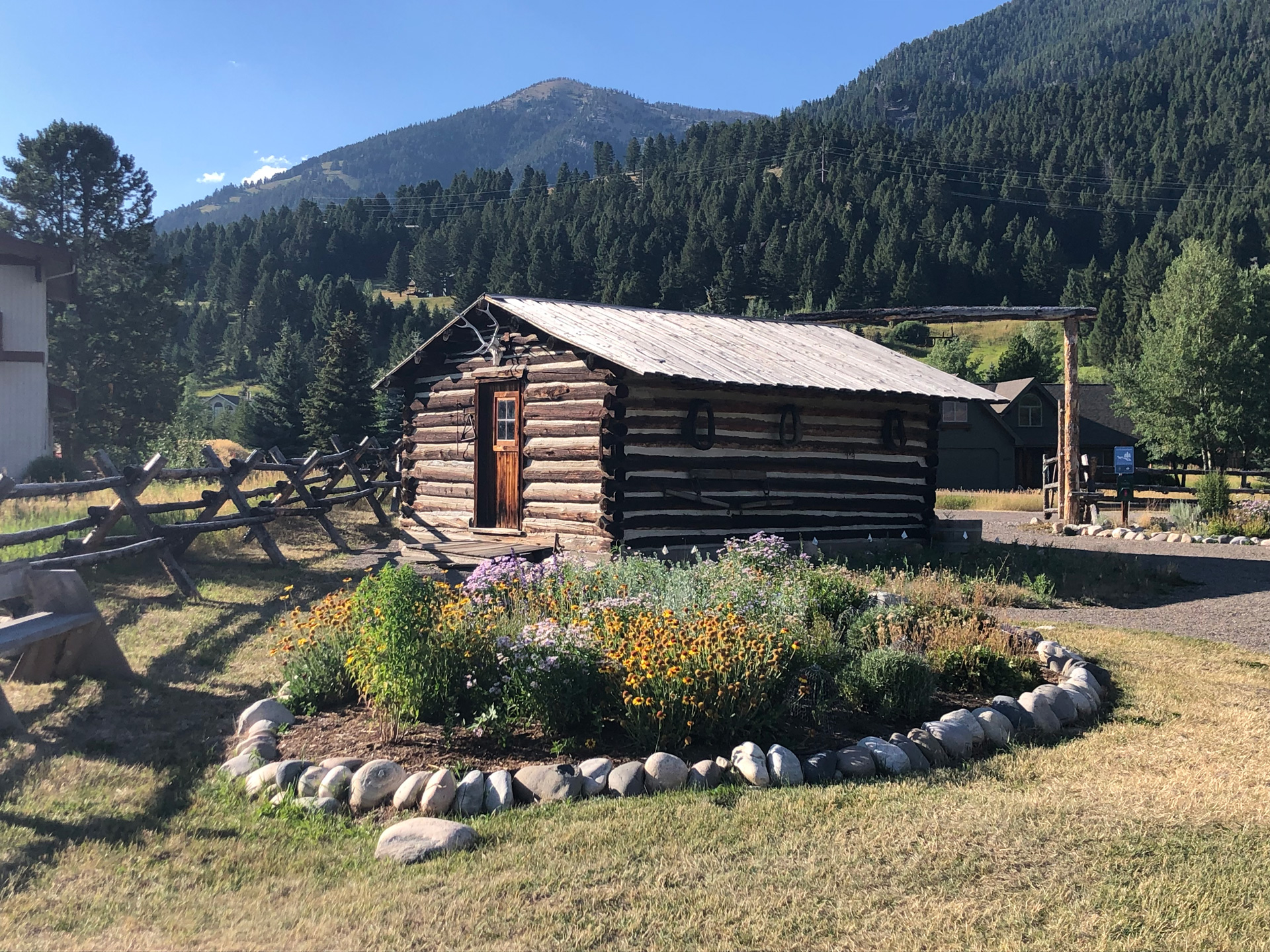
Beginning in the early 1900s, the ranch grew from a small homestead cabin into a working agricultural operation with livestock, wheat fields, and as many as ten buildings spread across nearly 960 acres. Today, two of those original structures remain and are carefully preserved by the Historic Crail Ranch Conservators, whose mission includes protecting these historic buildings and sharing their story with the community.
Early History
Tribes including the Shoshone, Bannock, Nez Perce, and Crow moved along the Gallatin Crest and camped along the Gallatin River where creeks and tributaries met the main waterway. In 1806, members of the Lewis and Clark Expedition explored the region’s river systems, naming the Gallatin River after U.S. Secretary of the Treasury Albert Gallatin, who helped fund the expedition. Throughout the early 1800s, mountain men trapped fur-bearing animals along the river and its tributaries, and later prospectors entered the canyon searching for mineral deposits.
By the 1880s, ranchers began driving sheep, cattle, and horses over the pass from the Madison Valley and up the Gallatin Canyon logging road during the summer months to graze in the lush tributary meadows. Following the Homestead Act and the Land Revision Act of the late 1890s, settlers began staking out 160-acre homesteads and building cabins throughout the valley. One of these early homesteaders was Augustus Franklin Crail, whose family would establish the ranch that still stands today.
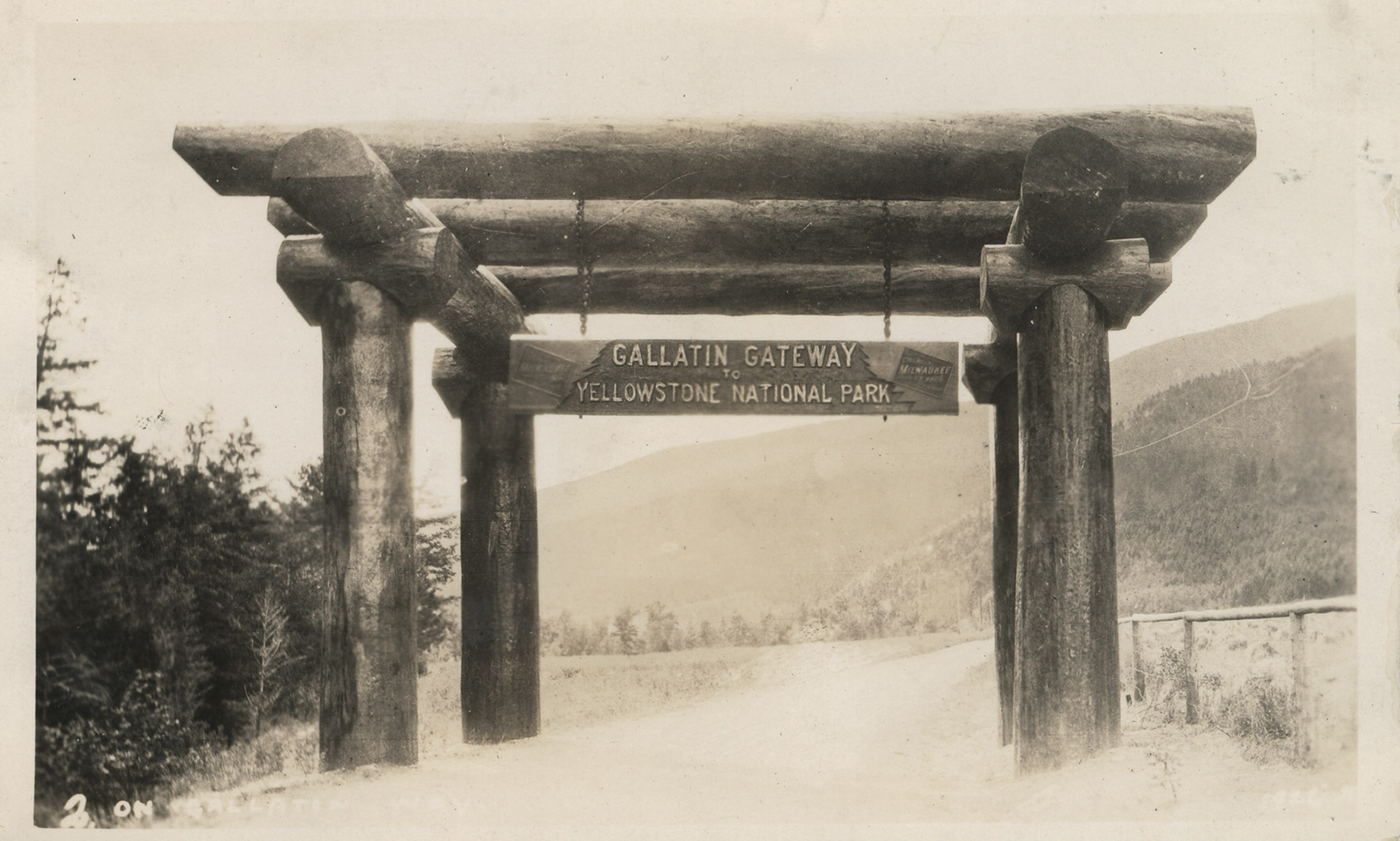
The region’s development accelerated with the creation of Yellowstone National Park in 1872 and the arrival of railroads in the Bozeman area in the 1880s. Early roads were cut along the Gallatin River to support the logging of pine trees for railroad ties—opening access to the canyon and laying the groundwork for the communities that would eventually grow in the area.
The Crail Family
He first farmed near Bozeman and later worked as a freighter between Miles City and Fort Benton before returning to ranching. In 1886, he married Sallie Creek, an accomplished musician and educator from Missouri. Together they raised three children—Eugene (1887), Emmett (1888), and Lilian (1896)—while building a life on the Montana frontier. CrailfamilyAfter serving as Clerk of the 9th Judicial District Court in Gallatin County from 1896 to 1900, Crail returned to ranching and began searching for land in the Gallatin Canyon Basin. In December 1901, he purchased a 160-acre homestead from Daniel Inabnit for $150, and in the spring of 1902 moved his family from Bozeman into the small cabin that still stands on the property today. Within a few years, the Crail family constructed the larger main cabin and expanded the ranch, laying the foundation for what would become one of the earliest working homesteads in the Big Sky area.
The Homestead becomes a Ranch
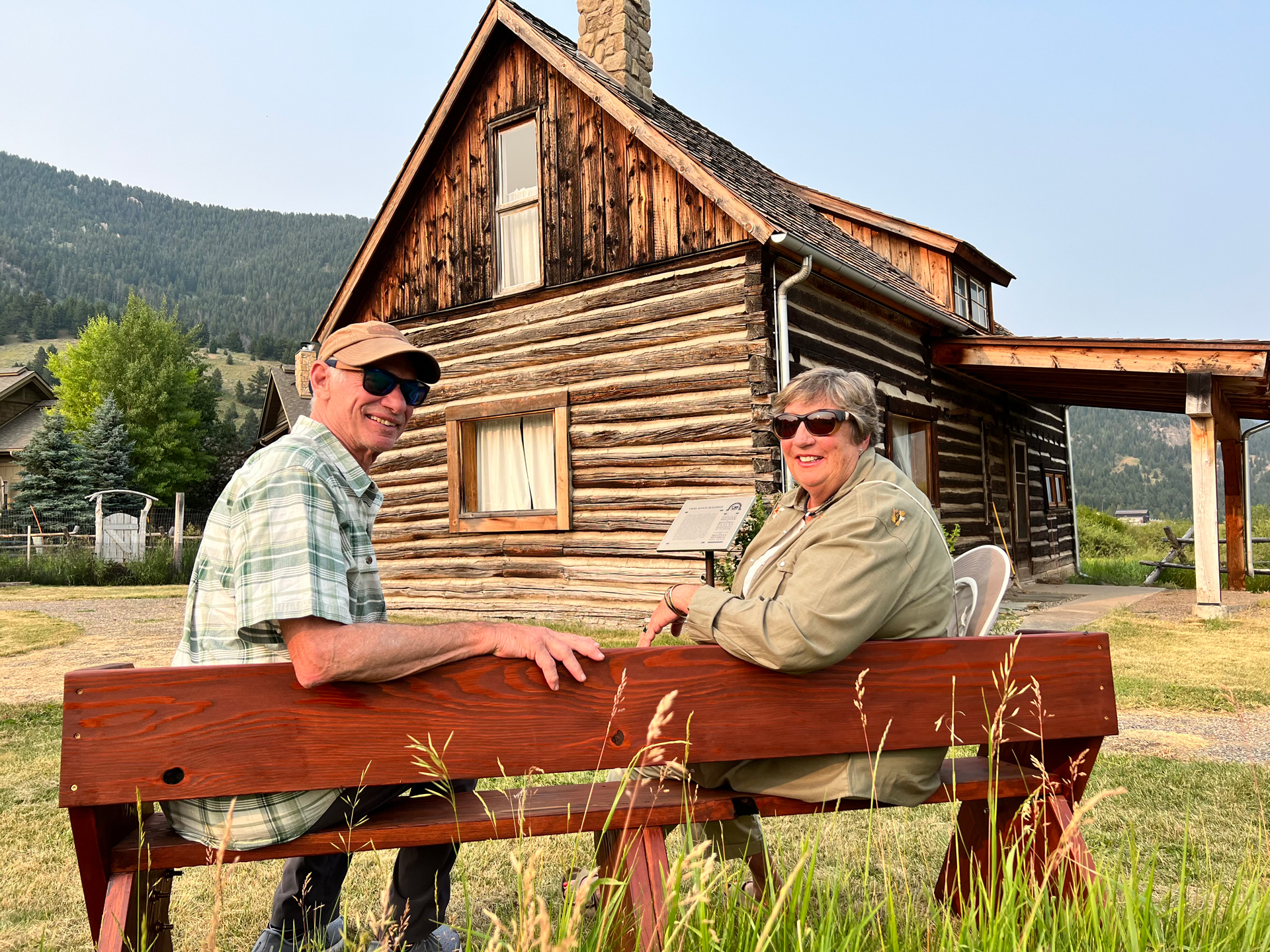
Over time the property included large hay barns, a forge, a sawmill, and several other ranch structures, supporting livestock and agricultural operations across the valley. Crail Ranch ultimately remained a true working stock ranch longer than any other ranch in the area.After Augustus Franklin Crail died in 1924, his son Emmett Crail continued operating the ranch until 1950, when it was sold to the Hume and Boa families. During the 1950s, the property functioned partly as a working ranch and partly as a dude ranch, reflecting the changing character of the region. One notable change during this period was the relocation of the small cabin—moved by Mrs. Hume from its original position just west of the main cabin to the location where it stands today.In the early 1960s, the Humes sold the ranch to cattleman Sam Smeding, who used the historic buildings primarily for storage rather than as a residence.
The Coming of Big Sky Resort:
Huntley’s Big Sky, Big Dream
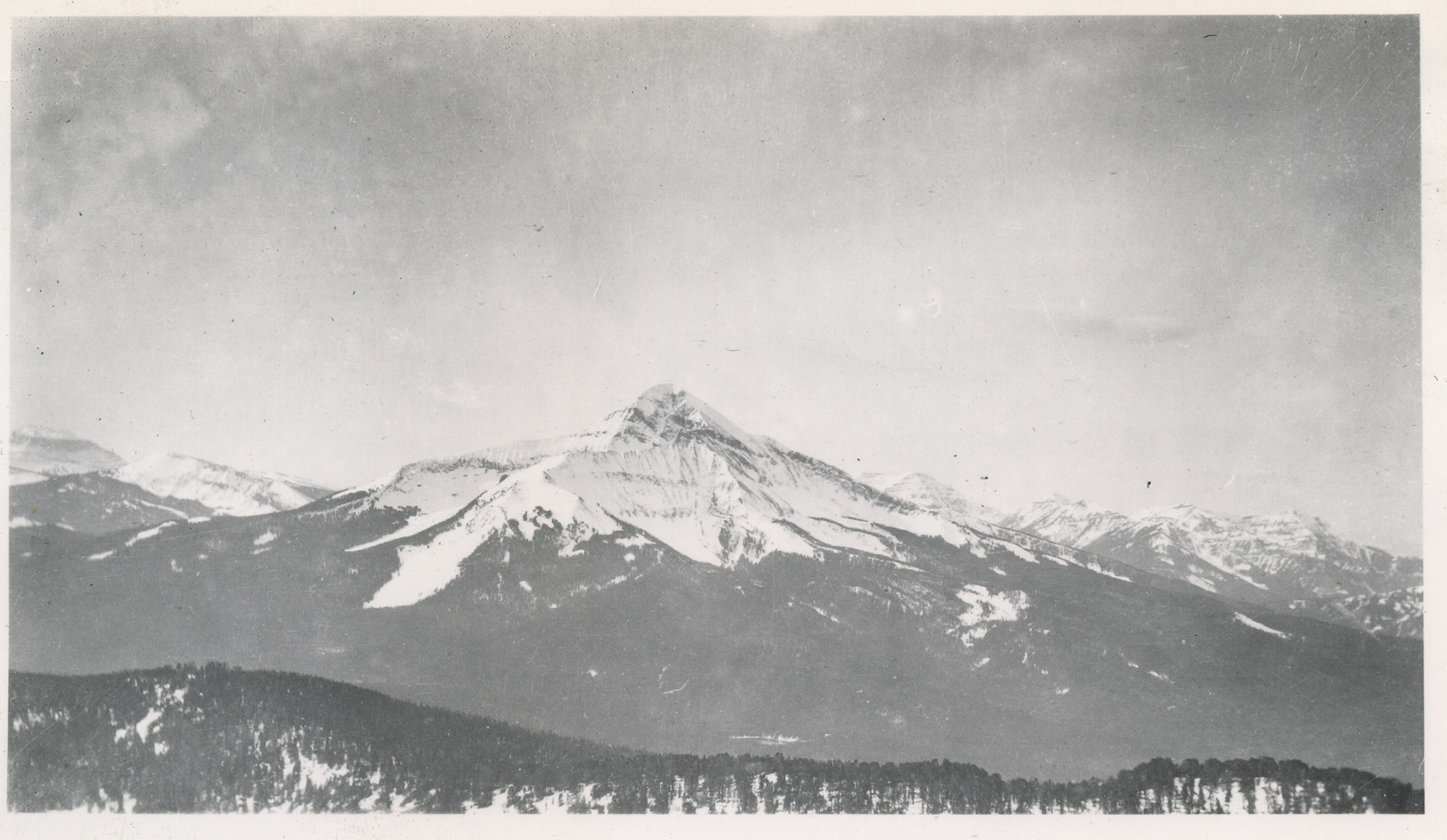
The open meadows that once supported sheep and cattle would eventually transform into parts of the resort’s golf course and surrounding development.During construction of the resort in the early 1970s, the historic Crail Ranch buildings were used to house workers building the ski area and golf course. During this time, the smaller cabin suffered a fire that nearly destroyed the structure—evidence of which can still be seen today on several of the exterior logs.After the resort no longer needed the buildings, local community members stepped forward to protect the site. Their efforts helped secure the ranch for the public and led to the buildings being placed on the National Register of Historic Places. Today, Historic Crail Ranch serves as the centerpiece of the Crail Ranch Homestead Museum, maintained and operated by the Historic Crail Ranch Conservators, a volunteer committee of the nonprofit Big Sky Community Organization.